Swift and House Martin Nest Boxes Installed for Neath Port Talbot Council
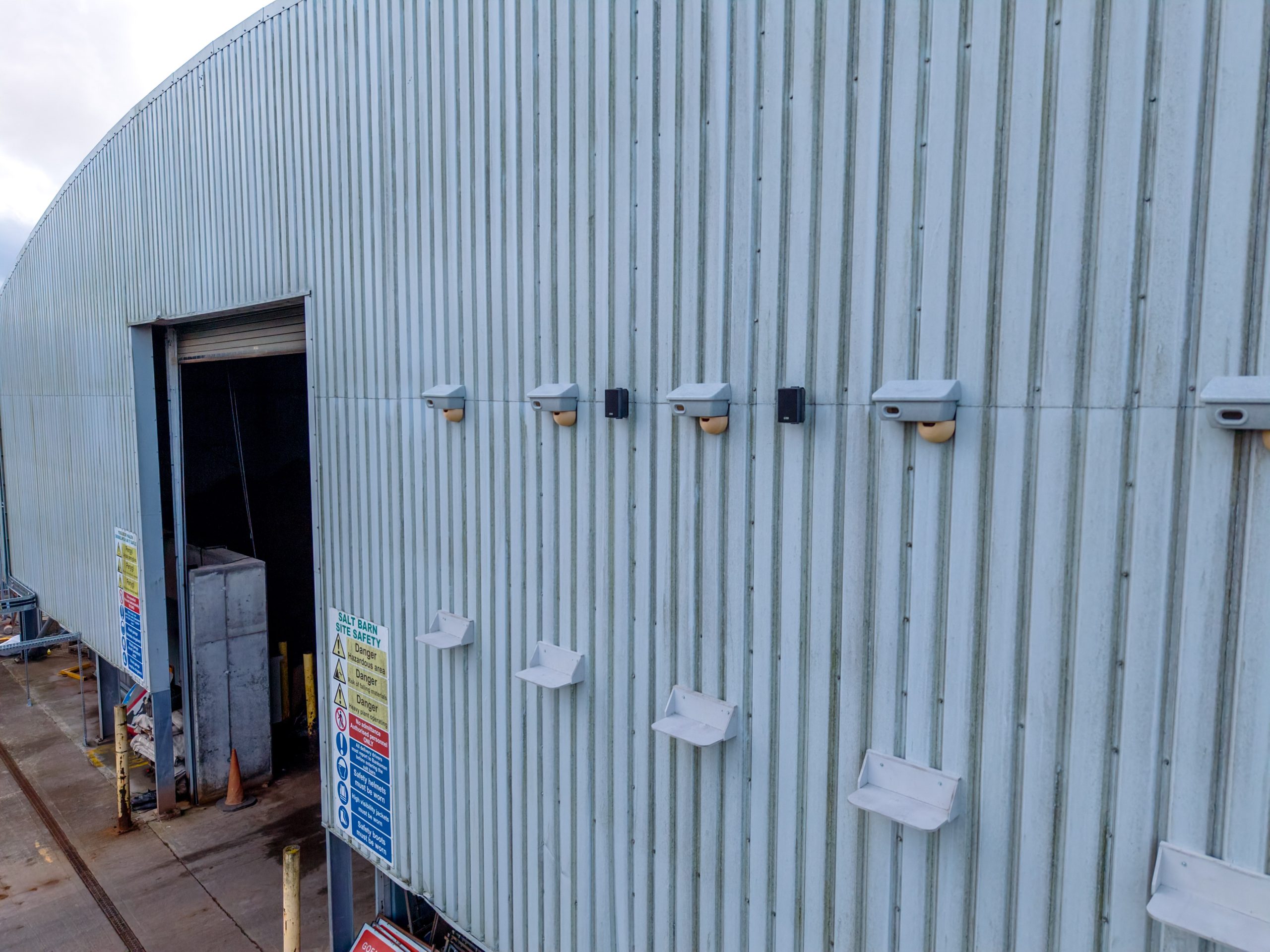
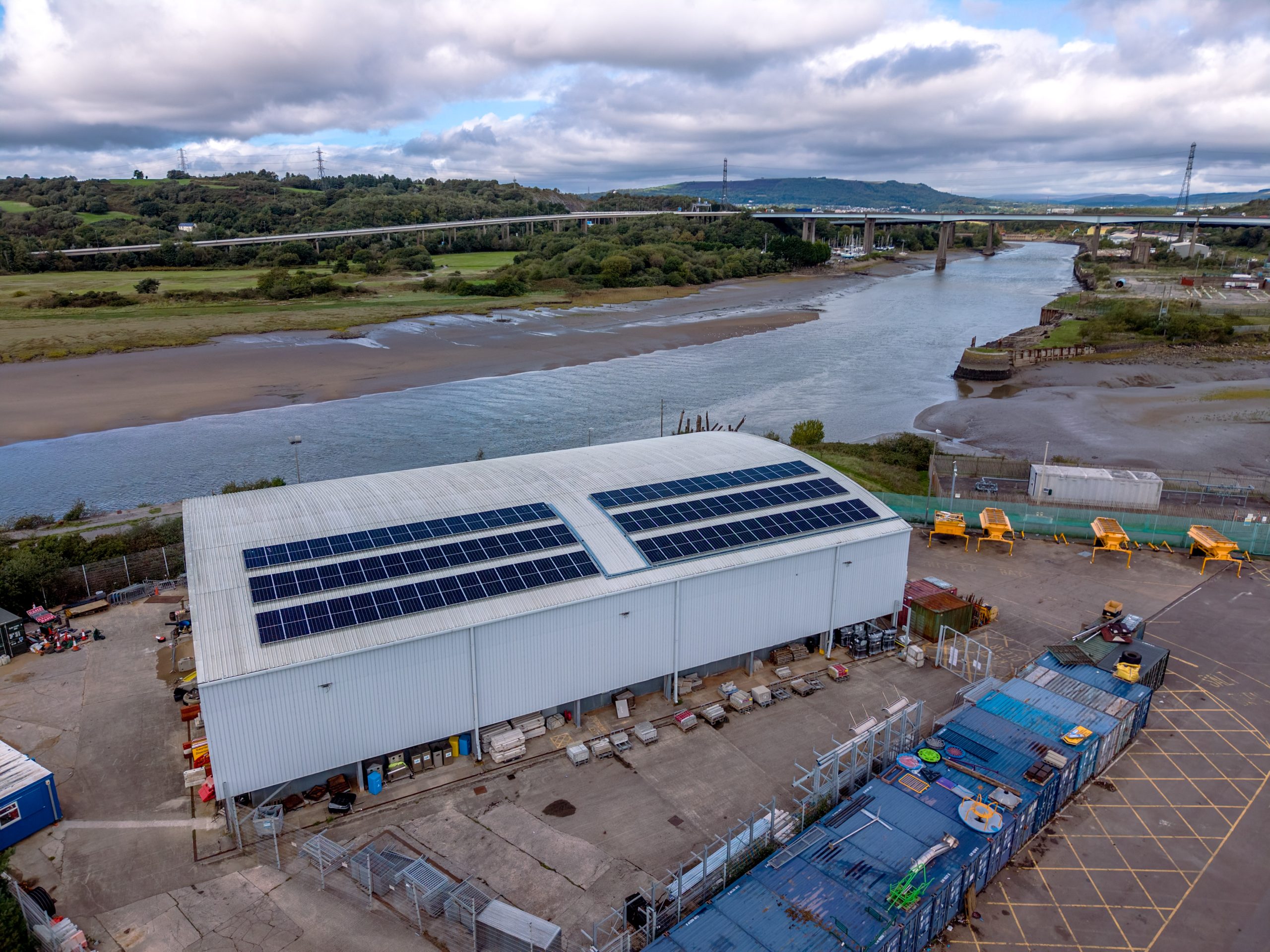
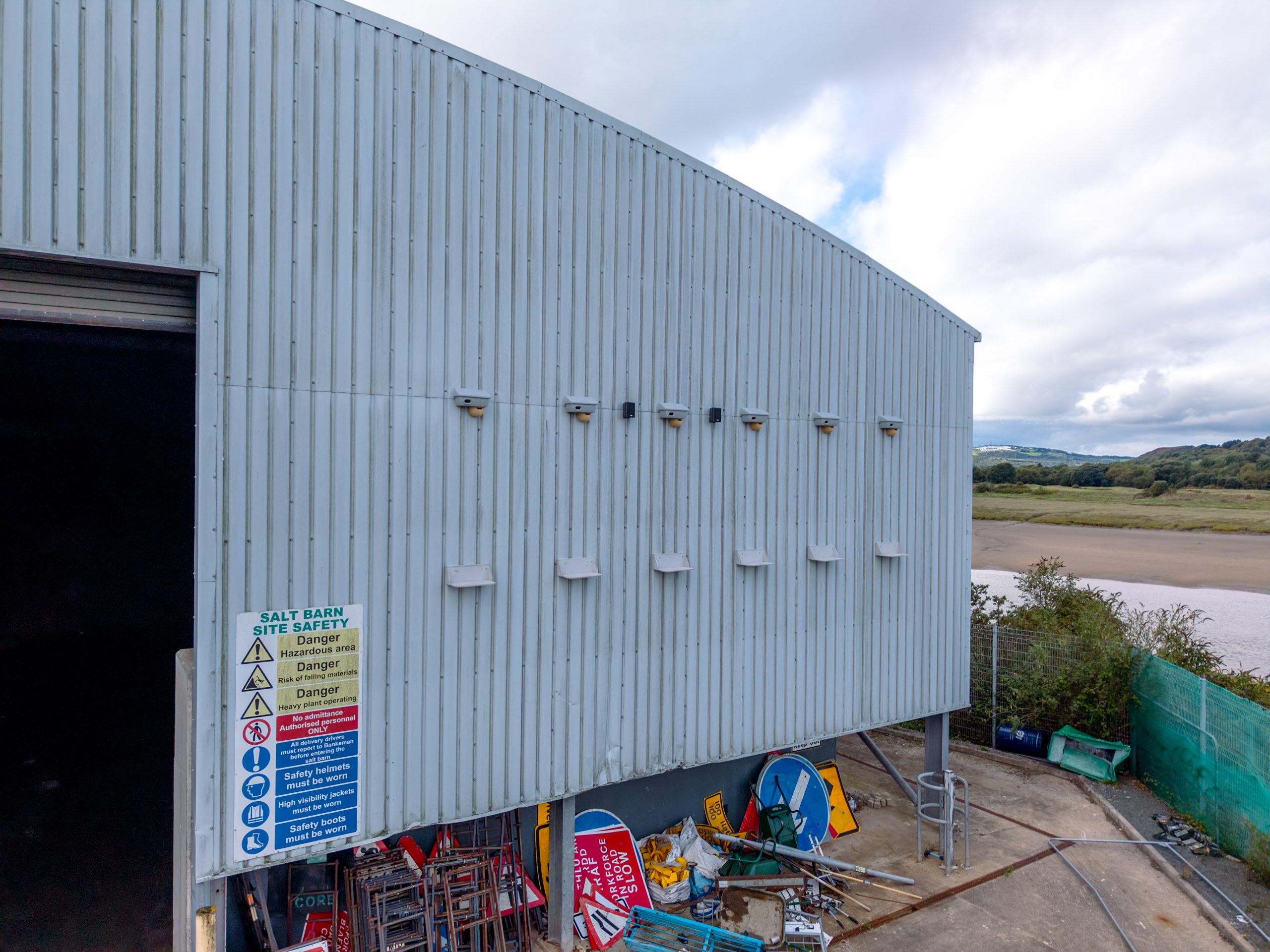
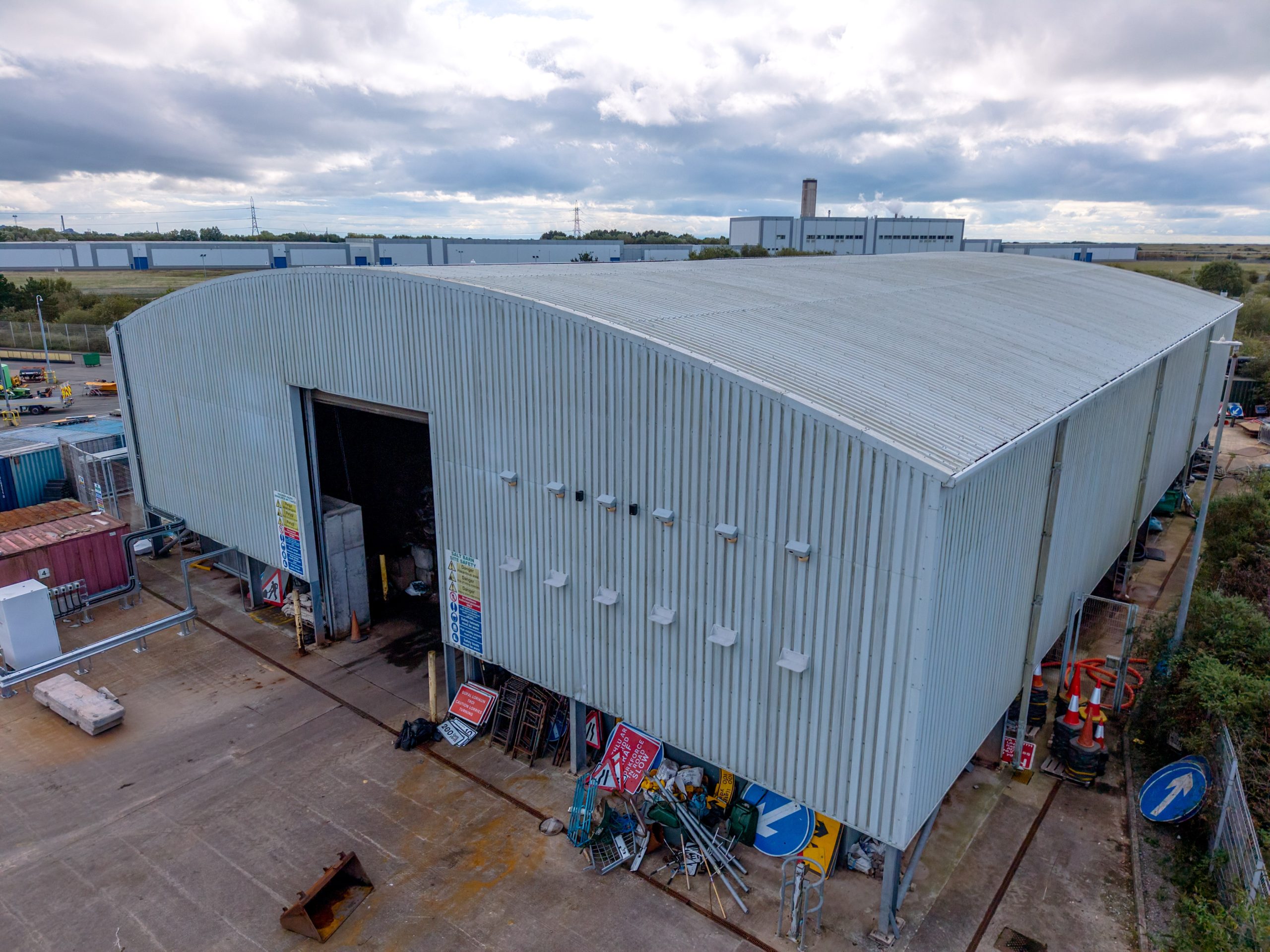
R&M Williams has supplied and installed 20 swift and house martin nest boxes for Neath Port Talbot Council, free of charge, as part of a major solar project completed for the Council. The work was carried out with the Council’s Biodiversity Officer, Josella, to provide new nesting sites for two migratory species in decline.
The larger grey boxes are for swifts, with smaller boxes below for house martins. Boards fitted beneath the boxes catch droppings and stop birds settling underneath.
Why swifts need help
Swifts arrive in the UK from Africa in early May, breed here over the summer and head back in mid August. Their numbers have fallen sharply, and they are now on the UK Red List of birds of conservation concern.
Swifts nest in small gaps in buildings, and many of those gaps are disappearing. As older buildings are renovated and new ones go up, taller structures, tighter building envelopes and PVC in place of timber, which would once have weathered and opened up over time, all leave fewer places to nest. Habitat loss has also reduced the insects they feed on, and increasingly unpredictable weather adds further pressure.
House martins face similar problems
House martins also migrate from Africa and traditionally build mud nests tucked into the eaves. Drier weather makes suitable mud harder to find, and nests are still knocked down from homes, despite this being illegal.
Calling the birds in
Speakers installed alongside the boxes play swift calls, encouraging passing birds to investigate. Once the boxes are occupied, the speakers can be switched off. Swifts mate for life and return to the same nest year after year, so each well-placed box can support a breeding pair for many seasons.
Putting something back
Much of R&M Williams’ work now focuses on retrofit and energy efficiency, improving homes and public buildings across South Wales, West Wales and the South West. Funding and fitting the nest boxes alongside the solar installation was a practical way of making sure a project designed to cut carbon also made room for the wildlife that shares those buildings.
Company & Community